Sutton High Street bulky rubbish collection what to expect
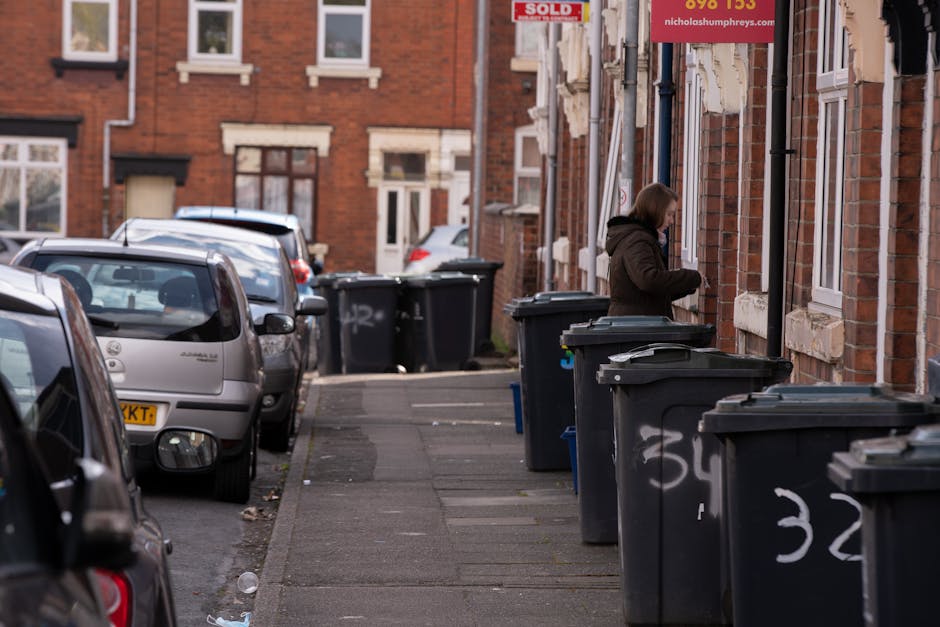
If you are planning a Sutton High Street bulky rubbish collection, what to expect is usually simpler than people imagine, but there are a few details worth getting right. The main thing is this: bulky waste removal is meant to take the pressure off you, not add more of it. Whether you are clearing out a sofa, a broken wardrobe, an old mattress, or a mixed pile from a flat or shop premises, the process should feel organised, predictable, and surprisingly quick.
That said, every collection has its own little wrinkles. Parking, access, item size, stairs, lift availability, and what exactly needs taking away can all affect how smoothly the day goes. If you know the basics beforehand, you can avoid awkward delays and last-minute sorting. This guide walks you through the practical side of bulky rubbish collection in Sutton High Street: how it works, what people often overlook, and how to prepare so the job gets done without drama. Simple enough, really.
Why Sutton High Street bulky rubbish collection what to expect Matters
Bulky waste can become a hassle fast. One old sofa suddenly blocks a hallway. A dismantled wardrobe sits in pieces for two weeks because nobody wants to wrestle it downstairs. A fridge in the wrong place can make a whole room feel unusable. In a busy place like Sutton High Street, that clutter also affects access, neighbours, and sometimes even business operations.
Knowing what to expect matters because the collection is not just about lifting items. It is about planning the route out, handling waste responsibly, and making sure the right materials go to the right place. If you are unsure what counts as bulky rubbish, think of items that are too large or awkward for standard household bins: furniture, appliances, mattresses, office chairs, shelving, carpet offcuts, and general oversized junk that has outlived its welcome.
There is also a trust angle here. A professional bulky waste collection should be clear about pricing, timing, access requirements, and disposal routes. If a provider is vague, rushed, or unwilling to explain the process, that is usually a sign to slow down and ask more questions. Nobody wants surprise fees or a half-finished clearance, especially when you are already dealing with a cramped flat, a shop refurb, or a family house that has just become full of "we should deal with that later" items.
Expert summary: The best bulky rubbish collection is the one that feels calm on the day. Clear booking, honest item description, simple access, and responsible disposal are the four things that matter most.
For many households and landlords, a broader house clearance or home clearance service can be more practical than moving one item at a time. If the waste includes furniture in good condition, it is worth checking whether furniture clearance or furniture disposal is the better fit. The point is to match the service to the mess, not the other way round.
How Sutton High Street bulky rubbish collection what to expect Works
In most cases, the process starts with a description of the items, followed by a quote or booking confirmation. You may be asked what needs collecting, where the items are located, whether there are stairs, and if parking is available nearby. That is not bureaucracy for the sake of it; it helps plan the right vehicle, the right crew size, and the right time slot.
On collection day, the team normally arrives, checks the items, confirms anything that has changed, and then removes the waste. If the job is straightforward, it can feel almost too easy. One minute the item is there, the next minute you are staring at an empty corner and wondering why you did not sort it out months ago.
The collection may involve a few extra considerations:
- items that need to be dismantled before removal
- tight stairwells or narrow front doors
- basement or loft access
- parking and loading restrictions
- separating reusable furniture from true waste
If you have mixed waste, like a sofa, a broken TV stand, and a pile of general rubbish, it is helpful to mention that upfront. Mixed loads are common, but clarity matters. The more accurate the description, the less likely you are to face delays or awkward adjustments on arrival.
For jobs involving large appliances, you may need a service that is specifically geared to white goods. In those cases, fridge and appliance removal is often a better fit than a generic collection, especially if you want the item handled safely and with the right disposal route.
Key Benefits and Practical Advantages
The main advantage is obvious: bulky rubbish disappears without you having to move it yourself. But the practical benefits go further than that.
- Less physical strain: heavy lifting is risky, especially with awkward furniture or appliances.
- Faster turnaround: a single collection can clear a room in one go.
- Better space use: once the clutter is gone, cleaning, decorating, or moving is easier.
- More controlled disposal: waste should be sorted, recycled, or handled properly where possible.
- Less stress: you do not have to hire a van, find helpers, or spend your weekend making endless trips.
There is also a planning benefit for landlords, letting agents, and local businesses. If a flat needs to be turned around quickly, or an office needs old desks removed before a refit, a scheduled bulky waste collection can save time and stop the job from spiralling. A half-empty room is much easier to clean, photograph, or hand over. Truth be told, that visual reset can be a relief in itself.
People often compare bulky waste collection with skip hire. Both can work, but they solve slightly different problems. If you need a simple reference point for what is commonly accepted in a container, what can go in a skip is useful for understanding the difference between mixed waste, restricted waste, and items that need special handling. For projects where the waste is more varied or access is awkward, a collection service can be the easier option.
Who This Is For and When It Makes Sense
Bulky rubbish collection makes sense for anyone dealing with items that are too heavy, too large, or too awkward for ordinary disposal. In Sutton High Street, that can mean a lot of different people and settings.
Typical examples include:
- homeowners replacing old furniture
- tenants moving out of a flat
- landlords clearing after a tenancy
- estate agents preparing a property for viewing
- shops or offices removing unwanted equipment
- builders finishing a small renovation and needing leftover bulky waste taken away
A lot of people call when they are mid-move and time is tight. Others call when they have finally hit the point where the spare room is no longer a spare room; it has become a museum of old furniture, broken lamps, and "we might need that someday" boxes. Let's face it, that room usually has a smell too. Not a dramatic one, just the faint dusty scent of things that have sat still for too long.
It also makes sense if you only have one or two items, but they are just too much to handle safely. A heavy wardrobe on a narrow staircase is no small thing. Even if you and a friend can technically move it, that does not always mean you should. If there is a safer, quicker route, take it.
For larger clear-outs, it may be worth looking at related services such as flat clearance, office clearance, or garage clearance. These are especially useful when bulky waste is part of a bigger job rather than the whole story.
Step-by-Step Guidance
If you want the collection to go smoothly, a little preparation goes a long way. Here is the simplest way to approach it.
- List what needs removing. Be specific. "Two sofas, a mattress, and a broken cabinet" is better than "a few bits."
- Check access. Note stairs, lifts, parking restrictions, gates, low ceilings, or narrow hallways.
- Separate anything you want to keep. This sounds obvious, but in the rush of a clear-out, it is easy to set aside the wrong thing. Happens all the time.
- Ask about restricted items. Some items need special handling, such as fridges, certain appliances, or hazardous waste.
- Confirm the collection window. Make sure someone is available if the crew needs access.
- Prepare the route. Move small obstacles, unlock doors, and make the path as open as possible.
- Review pricing and inclusions. It is better to confirm the scope before the day than argue over it later.
- Keep evidence of booking details. A confirmation email or message helps if anything needs checking.
On the day itself, you will usually notice that the crew works quickly once the items are identified and access is clear. That said, if the load has changed or there is more than expected, say so straight away. Clear communication avoids misunderstandings. No one enjoys the awkward "oh, and there's also this pile..." moment at the front door.
If you are preparing a wider property clearance, it may be sensible to combine tasks. For instance, a home with old furniture, loft clutter, and a few broken items could be handled more efficiently through loft clearance plus furniture removal than through several separate visits.
Expert Tips for Better Results
Small details make a big difference. In our experience, the jobs that go best are not always the smallest ones. They are the ones where the customer has thought ahead just enough.
- Take quick photos before booking. A few clear pictures help avoid guesswork. Use them to show item size, access, and any particularly awkward pieces.
- Measure doorways and stairs if needed. Especially for large wardrobes, sofas, or exercise equipment.
- Keep related items together. If all the bulky waste is stacked in one place, the collection is much faster.
- Be honest about item condition. Wet, damaged, contaminated, or broken items may affect how they can be handled.
- Think about recycling first. Some items can be reused or recycled rather than simply thrown away.
If the collection includes older furniture that still has life in it, ask whether the service provider can separate reusable pieces from disposable waste. That is better for the environment and, frankly, it often makes the job feel less wasteful. For mattresses and sofas, a dedicated route may be more appropriate, so mattress and sofa disposal can be a more precise option.
A slightly underrated tip: clear the front path before collection time. Shoes, plant pots, bike locks, recycling bags, little bits of life stacked by the door... they all slow things down. You want the route to be obvious at a glance.
And if you are trying to keep the whole process tidy from start to finish, it can help to review recycling and sustainability before the team arrives. It gives you a better sense of what may be diverted from landfill and what items need special treatment.
Common Mistakes to Avoid
Most problems with bulky rubbish collection come from poor preparation rather than the collection itself. The good news? They are easy to avoid once you know what to watch for.
- Underestimating volume: that "one old sofa" often becomes a sofa, cushions, side table, and a surprise pile of other bits.
- Forgetting access issues: no one wants to discover on arrival that the lift is out of order or the loading bay is blocked.
- Mixing in restricted waste: certain items need separate handling, so mention them early.
- Leaving everything until the last minute: if items are still buried under other clutter, the collection may take longer.
- Not checking the provider's terms: always know what is included and what might cost extra.
Another common mistake is trying to move something dangerous just because it seems manageable. A heavy fridge, a water-damaged wardrobe, or a sofa with loose springs can be more awkward than they look. One slip and you are dealing with damaged walls, sore backs, and a bad mood all round. Not worth it.
If your load includes waste from building work, check whether a more specific service such as builders waste clearance is a better match. Construction debris often needs different handling from domestic bulky items, and mixing the two can lead to confusion.
Tools, Resources and Recommendations
You do not need a warehouse full of equipment to prepare for a bulky rubbish collection. A few practical tools are enough.
- Measuring tape: useful for checking whether furniture will fit through doors or down stairs.
- Phone camera: helps capture item condition, access points, and loading areas.
- Marker tape or sticky notes: handy for separating what stays from what goes.
- Basic screwdriver or Allen key: helpful if you are dismantling light furniture safely.
- Protective gloves: sensible for handling rough edges, dusty surfaces, or broken pieces.
For business premises, you may also want to keep relevant paperwork to hand, especially if the clearance involves sensitive material or a broader workplace tidy-up. In that case, business waste removal and confidential shredding can be useful complements to bulky rubbish collection. The latter is particularly relevant if old files, records, or paperwork are mixed in with the clear-out.
If you are comparing service options, it is worth looking at pricing and quotes before you book. Not because the cheapest option is always best. It is not. Because clear pricing helps you compare like with like. A low headline price can be misleading if it excludes labour, access difficulties, or disposal of certain items.
Law, Compliance, Standards, or Best Practice
For bulky rubbish collection in the UK, the safest approach is to use a provider that follows responsible waste handling practices. You do not need to become a waste expert yourself, but you should expect proper transport, sensible sorting, and lawful disposal routes. If anything sounds vague, ask questions.
From a customer point of view, a few best-practice principles matter most:
- Use a provider that can explain where waste goes.
- Keep hazardous and non-hazardous items separate where possible.
- Do not assume every item can be collected with general waste.
- Be cautious with appliances, chemicals, paints, batteries, and other specialist items.
For items that may pose safety or environmental risks, review the provider's approach to hazardous waste disposal. That matters more than people think. A product that looks harmless in a cupboard can still need specific handling when it becomes waste.
Good operators also tend to have clear policies around health and safety, insurance and safety, and customer care. These are not just administrative pages. They tell you how seriously a business treats the practical side of the job, especially when lifting heavy items through tight spaces.
If you are the sort of person who likes to know the basics before handing over the keys, that is fair enough. A little diligence goes a long way. And it saves awkward follow-up conversations later.
Options, Methods, or Comparison Table
There is more than one way to clear bulky waste. The best choice depends on how much you have, how quickly you need it gone, and how awkward the access is.
| Option | Best for | Pros | Potential drawbacks |
|---|---|---|---|
| Bulky rubbish collection | One-off items, mixed household waste, awkward access | Fast, convenient, minimal lifting for you | May need accurate item details and access info |
| Skip hire | Ongoing DIY, renovation waste, larger self-load projects | Good for gradual filling, flexible over time | Needs space for placement and loading; not ideal for heavy items upstairs |
| Full clearance service | Whole rooms, flats, garages, lofts, offices | Best for larger jobs and time-sensitive clearances | May be more than needed for a single item |
| Specialist item removal | Appliances, mattresses, sofas, or sensitive waste | Tailored handling and better suitability | Requires correct service selection |
If you are unsure which option suits your situation, start by asking yourself one simple question: do you want to handle the lifting, sorting, and loading yourself? If the honest answer is no, then a collection service is probably the right lane. It really is that simple sometimes.
Case Study or Real-World Example
Here is a typical real-world scenario from a Sutton High Street-style property job. A tenant is moving out of a first-floor flat and needs a sofa, coffee table, broken shelving, and an old mattress removed before the final inspection. The hallway is narrow, the stairs are a little tight, and parking nearby is not exactly generous.
The best outcome comes from preparation. The tenant sends clear photos of the items and mentions the stair access in advance. On the day, the items are gathered near the door, the route is clear, and the crew can move straight in. No hunting around. No surprise extra pile in the kitchen. The collection is done quickly, and the flat is left ready for cleaning.
Now compare that with the same job minus the preparation. The mattress is still in the bedroom, the shelves are half dismantled, a bin bag of mixed rubbish is tucked behind the sofa, and nobody has checked whether the parking space outside is usable. That version takes longer, feels more stressful, and is exactly the kind of thing that turns a straightforward collection into a mildly annoying morning.
The lesson is not "be perfect." It is simply to remove friction where you can. A little organisation at the start usually saves a lot of awkwardness later.
Practical Checklist
Use this checklist the day before your collection.
- Confirm exactly what items are going
- Check whether anything needs dismantling
- Make sure access paths are clear
- Move parking or entry details into one easy-to-find place
- Separate items you are keeping
- Keep restricted or specialist items flagged clearly
- Have booking details ready
- Check whether you want to combine the job with another clearance service
- Review collection timing so someone can be available
- Take photos if you want a quick record of what is being removed
And if your bulky rubbish is part of a larger property tidy-up, it may be useful to review garage clearance or flat clearance as well. That can keep the job tidy and stop one small task from spreading into three separate ones.
Conclusion
Sutton High Street bulky rubbish collection what to expect is, at its best, a calm and practical service: clear booking, sensible access planning, responsible handling, and a room that suddenly feels usable again. The whole point is to make life easier. If you prepare the items, think through access, and choose the right type of collection, the process should be fairly smooth from start to finish.
Most of the stress people feel comes from uncertainty, not the collection itself. Once you know what will happen, what needs to be ready, and what questions to ask, the job becomes much more manageable. A bit of planning now saves a lot of dragging, lifting, and head-scratching later. And that, honestly, is a nice feeling.
Get a free quote today and see how much you can save.
Frequently Asked Questions
What counts as bulky rubbish in Sutton High Street?
Bulky rubbish usually means large or awkward items that are too big for normal bins. Common examples include sofas, wardrobes, mattresses, tables, white goods, shelving, and other oversized household or office items.
How much notice do I need for a bulky rubbish collection?
That depends on availability and the size of the job. Smaller collections can often be arranged quickly, while larger or more complex clearances may need a bit more planning, especially if access is difficult.
Do I need to move the items outside before collection?
Not always, but it helps if the items are easy to access. If they are upstairs, in a loft, or in a back room, let the provider know in advance so the team can plan properly.
Can bulky waste include furniture and appliances together?
Yes, mixed loads are common. Just make sure you list everything clearly, because appliances and furniture may need different handling or disposal routes.
What happens if there is no parking nearby?
That should be discussed before the collection. Parking and loading access can affect how quickly the job is completed, so it is best to flag that early rather than leave it to chance.
Is bulky rubbish collection better than skip hire?
It depends on the job. If you want someone else to do the lifting and loading, collection is often easier. If you are doing a longer DIY project and have space for a skip, skip hire may suit you better.
Can I include a fridge or other appliance?
Often yes, but appliances may need special handling. A dedicated fridge and appliance removal service is usually the safer choice for larger white goods.
What should I do with hazardous items?
Do not mix hazardous items into a standard bulky waste load unless the provider has confirmed they can handle them. Paints, chemicals, batteries, and similar items may need separate disposal.
How can I avoid surprise charges?
Give a clear description of the items, mention access issues, and check what is included in the quote. A good provider should be able to explain any extra factors before the collection day.
Can bulky rubbish collection help with a full property clear-out?
Yes, especially if the job involves more than one room or a mix of items. In those cases, broader services such as home clearance or house clearance may be more efficient.
What if I am not sure whether my item can be taken?
Ask before booking. If you are unsure, describe the item as accurately as possible and mention any unusual materials, damage, or safety concerns. It is much easier to clarify that early than to deal with it on the doorstep.
Are reusable items always thrown away?
Not necessarily. Some services will separate reusable or recyclable items where possible. If sustainability matters to you, ask how the provider approaches sorting and recycling.
For more information about service standards, company background, and practical support, you can also explore about us, recycling and sustainability, and contact us if you want to discuss a collection in more detail.