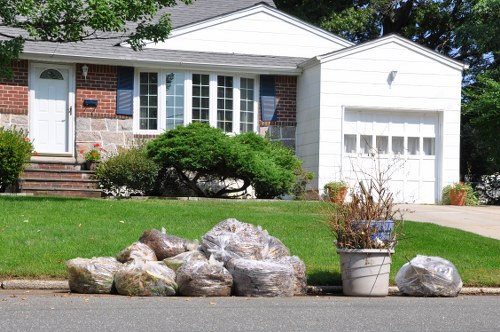
 This Health and Safety Policy sets out the commitment and operating standards for our flat clearance and rubbish removal operations. It applies to all activities related to flat clearances, apartment waste clearance and associated junk removal services carried out on behalf of the company. The policy is designed to protect employees, contractors, residents and members of the public by establishing clear responsibilities, safe working methods and a framework for continuous improvement.
Flat Clearance Safety Statement
 All personnel engaged in flat removals, domestic clearance and waste collection must adhere to the policy. Managers are responsible for ensuring that risk assessments are carried out for each job, that appropriate training is provided, and that safe systems of work are implemented. Employees must follow instructions, wear required personal protective equipment and report hazards or incidents promptly.
The aim of this health and safety policy is to reduce risk from manual handling, hazardous materials, slipping and tripping, vehicle movements and contamination during flat rubbish clearance. Pre-planning and site surveys are mandatory for complex jobs, and where bulky items, asbestos risk or sharps are suspected, clearance work will be modified or stopped until a competent assessment is obtained.
Responsibilities and Roles
Line managers and supervisors have duties to: ensure staff competence, allocate resources for safe operations and enforce standards. Staff duties include following safe methods, participating in training and using safety equipment correctly. Contractors working on site must provide documentation of their safety arrangements before work commences.
The following outlines key responsibilities in simple terms:
- Managers: Risk assessments, supervision and resourcing.
- Employees: Safe working, PPE use and reporting.
- Contractors: Evidence of competence and insurance.
Safe working procedures for flat clearances include careful item assessment, correct lifting techniques for removals, secure stacking and segregation of waste for recycling or hazardous disposal. Manual handling assessments are undertaken for heavy furniture and equipment, and mechanical aids such as trolleys and lift-assist equipment are used where practicable to minimise strain injuries.
Hazard Identification and Control
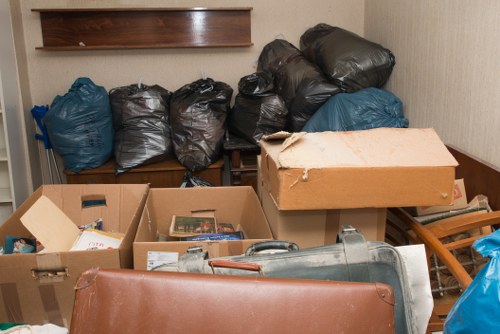
 Hazards commonly encountered during apartment clearing and rubbish removal include sharp objects, broken glass, biological waste, electrical equipment with unknown faults and pest-related contamination. Controls include segregating hazardous items, using appropriate containment (bags, boxes, rigid containers), and ensuring specialist removal for items such as batteries, solvents or asbestos-containing materials.
To reduce exposure to hazards we adopt the following measures:
- Use of gloves, eye protection and respiratory protection where required.
- Clear labeling and separation of recyclable, non-recyclable and hazardous waste streams.
- Maintaining tidy work areas to prevent slips, trips and falls.
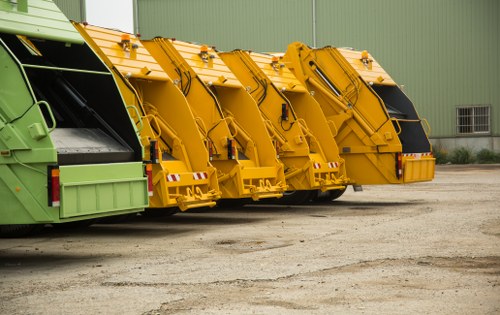
Vehicles and loading operations are significant risk areas for a rubbish collection and flat clearance service area. Drivers and loaders are trained in correct loading methods, vehicle securing procedures and safe reversing practices. Regular vehicle inspections are conducted and load restraint equipment is provided to prevent shifts during transit.
Training forms a core part of our approach: staff receive induction covering policy, first aid, fire procedures and manual handling. Ongoing refresher courses, toolbox talks and competency checks ensure that best practice for waste clearance, flat rubbish collection and property removals is maintained.
Emergency response arrangements are in place for incidents such as spillages, injury or discovery of hazardous materials. First aid kits and spill control materials are available on-site, and procedures include immediate isolation of the hazard, notification to a supervisor and escalation to emergency services if required.
 Monitoring and review are essential to the effectiveness of this health and safety policy. Regular audits, incident investigations and performance reviews are conducted. Lessons learned from near-misses and accidents are shared and used to revise risk assessments and safe working procedures for flat and rubbish clearance operations.
Performance indicators include rates of reported incidents, completion of training, and audit outcomes. Continuous improvement is supported by employee suggestions, scheduled safety meetings and management commitment to addressing identified gaps promptly.
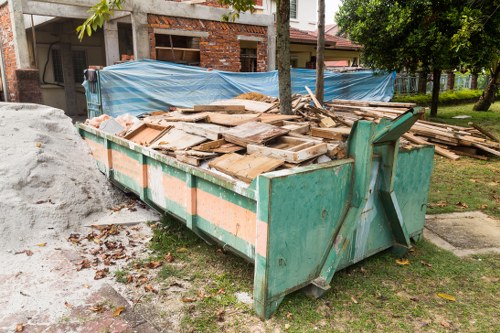 This policy is part of our commitment to provide safe, reliable flat clearance, rubbish removal and waste clearance services. It sets clear expectations, allocates responsibilities and outlines controls designed to protect people and property. All staff and contractors are required to read and comply with this statement and contribute to a culture of safety and professionalism in every clearance job.
Signed — Health and Safety Lead
Review: This policy will be reviewed regularly to ensure it remains relevant to evolving operational risks and regulatory best practice for flat clearances, residential waste removal and related services.